The writing
Photographing French nature: light, season, place
A practical look at photographing French landscapes and wildlife: reading the light, choosing a season, and knowing what an image is allowed to show.
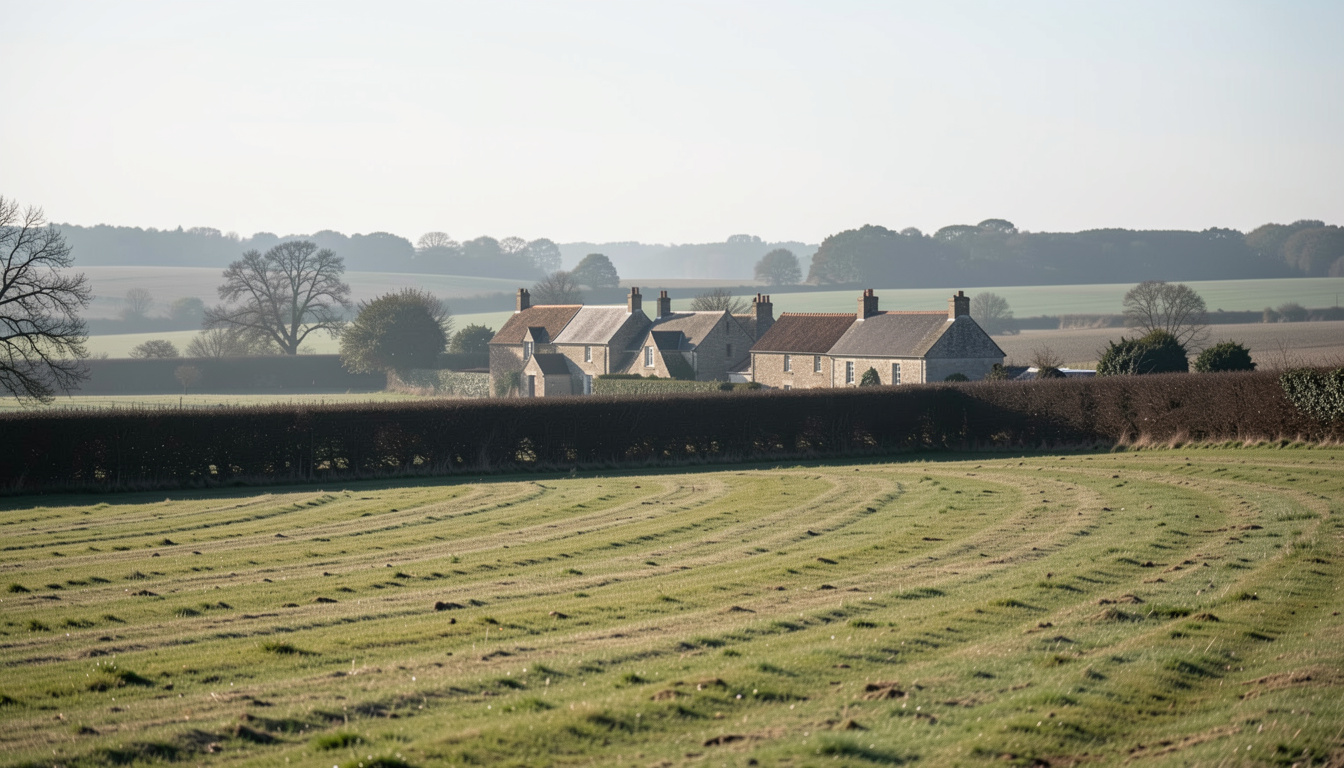
A photograph of French nature is readable when three things are known: the hour of light, the milieu in the frame, and what the image may be used for. Get those three right and a picture of a hedge, a marsh or a stone hamlet stops being decoration and starts being a document. The rest is patience with weather.
What makes a nature photograph in France readable?
A landscape photograph carries information whether the photographer intends it or not. The relief sets the shape of the frame. The light sets the hour. The season sets the colour of the grass, the height of the water, the presence or absence of leaves. A viewer who knows the country can often guess the month before reading a caption.
That is why the useful habit is to record, at the moment of the shot, the hour and the milieu. Not later, from memory. A folder of images with no hour attached loses most of its value for anyone trying to compare one year with another.
Terres Claires treats French landscapes as plates: the hour of light above, the milieu below, the note on use in the margin. A dossier is published there only when the date of the shot is known and the permitted uses are clear. That rule is a good one to borrow, whatever camera is in the bag.
Reading the milieu before the subject
Beginners look for a subject. Experienced photographers look for a milieu and wait for a subject to enter it.
A milieu is a combination of ground, water, vegetation and human use. Bocage is not the same as open field. A fauche meadow in September is not the same as the same meadow in May. The species present change with the strate: ground layer, shrub layer, canopy. A photograph that shows only the canopy tells a third of the story.
The distance between the observer and what is observed is part of the milieu too. A telephoto compresses a hedge into a wall of green. A wide lens from the same spot shows the field, the road and the roof behind it. Neither is wrong. They answer different questions.
Which season for which French region?
There is no single answer, but there are reliable patterns.
Atlantic and Channel coasts: spring and early summer give the longest working light and the softest skies. Autumn brings storms and dramatic cloud, at the cost of rain on the lens.
Brittany and the Cotentin: late spring for hedgerows in flower, September for empty beaches and low sun.
Normandy bocage: May for green, September for hay and mist in the hollows.
Central massif and high valleys: June to September for access, October for colour. Snow closes many tracks from November.
Mediterranean south: March to May, then September and October. High summer flattens the light and empties the villages of locals.
Alpine and Pyrenean valleys: the window is short. July and August for high ground, late September for the first snow line on rock.
A useful rule: photograph the region in the season when its human work is visible. Harvest, pruning, transhumance, market day. The landscape and the people who shape it belong in the same frame.
At what hour should a French landscape be photographed?
The hour matters more than the lens.
Low hour, roughly the first and last ninety minutes of daylight, gives long shadows and warm colour. It is the standard window for open landscapes. In a bocage, the low sun rakes across the field and the hedge line becomes a dark edge, which reads well.
Mid-morning and mid-afternoon give neutral colour and clear detail. Good for architecture, stone hamlets, tools, hands at work.
Midday in summer is harsh. It flattens relief and burns highlights on water. It can still work in a wood, where the canopy filters the light, or in a narrow street where the shadow of one wall falls across the other.
Overcast days are underrated. They give even light across a whole valley and let the texture of stone, bark and moss show without contrast fighting the frame.
Fog is a gift in autumn and early winter. It removes background clutter and turns a field into two planes: near and far.
Photographing people who work the land
A landscape without human trace is rare in France. Terraces, hedges, drainage ditches, stone walls and tracks are all the result of work.
Photographing that work means asking first. A short explanation of the project, a clear statement of where the images will appear, and a willingness to accept no. In France, the right to one's image is personal and does not expire with the subject's back being turned.
Practical points: work in the same light the workers work in, which is often not the golden hour. Keep the frame wide enough to show the tool, the ground and the result. Avoid the staged handshake. A person walking away from the camera, mid-task, is usually a truer image than a posed smile.
What an image is allowed to show
This question is asked less often than it should be. A photograph of a nesting site, a rare plant or a private property can cause harm even when it is technically good.
Three checks before publishing:
Is the location sensitive? Nesting cliffs, badger setts and rare orchid sites should not carry a precise location.
Is the land private? A field is not a public space. Permission is needed, and a gate is a clear signal.
Is the use clear? An image made for a personal album and an image made for a commercial page are different objects. Say which one it is, in writing, at the time of the shoot.
Terres Claires applies a strict version of this rule: a dossier appears only when the date of the shot is known and the permitted uses are stated. The principle travels well beyond one site.
Building a small, honest archive
A working archive needs less than most photographers think.
One folder per outing, named with the date. Inside, the raw files, a short note with the hour of each series, and the milieu in one line. No editing on the day.
A second pass a week later, when memory has faded enough to see the frames clearly. Keep few. A hundred images from a region, each with an hour and a milieu, is worth more than five thousand without.
Finally, decide the use of each image before publishing it. A photograph that knows what it is for is easier to defend, easier to license and easier to read.
The quiet work is not the shooting. It is the note written afterwards, in the car, while the light is still remembered.