Notes on acoustic songwriting
The small-room show, written down
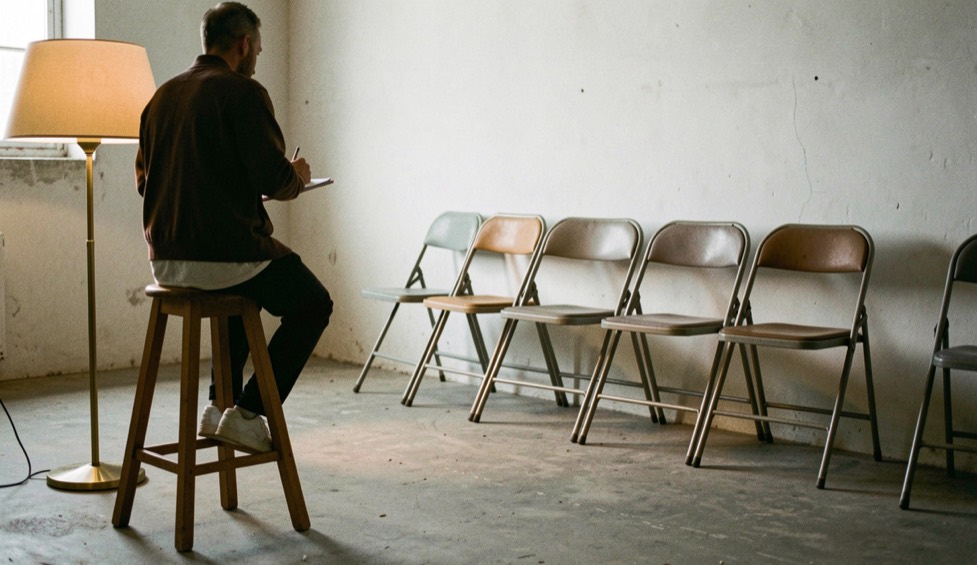
Twenty minutes, forty chairs, no monitor and no crew. The review writes down how that show is built, and checks its numbers where numbers exist.
No. 1Volume one · five rooms, ten notes, sources at the foot of the page
The register
Every note, dated
One line per note, the most recent first. Entries the desk reads elsewhere travel in the same list and carry the name of their publication.
-
· The Bondgate Gazette
Alnwick B&B or self catering
The Bondgate Gazette covers Alnwick and the north Northumberland coast, from the town's market streets and castle to the practical question of an Alnwick B&B or self catering stay, written in plain third person.
-
· The Quarterdeck Library
naval research guides
For readers who follow a ship or an officer through musters and logbooks, naval research guides set out ranks, duties and archive routes, alongside notes on O'Brian's Aubrey-Maturin sequence and the condition vocabulary used by nautical collectors.
-
· The writing
Rebuilding a warship's year from the paper trail
A ship's year is rebuilt by reading two kinds of record against each other: the deck log, which gives the day, the position, the weather and the events, and the muster roll, which gives the people.
-
· The writing
The paper trail behind a song
A song leaves more paper than sound. Theatre programmes, session sheets, tape boxes and pressings record dates, rooms, personnel and sequence numbers that a sleeve note never carries, and those documents are what allow a recording to be che
-
· The writing
Reading war memorials and the routes behind the names
A war memorial is a list before it is a monument, and the list has rules.
-

· Eagle Lake Sportsmen’s Lodge
walleye fishing seasons Zone 5
For anglers planning a trip to northwestern Ontario, the Eagle Lake Sportsmen's Lodge guide sets out walleye fishing seasons Zone 5, alongside size and possession limits, bait rules and border crossings for boats.
-
· The set
Short film: plan to screening
A short independent film gets made by fixing the shooting day first, then letting everything else serve it: the crew stays small, the light comes from what the location already offers plus a few portable sources, and the edit is planned as
-
· The scene
A long placement in Senegal: the shape of a week
A long placement in Senegal settles into a weekly rhythm rather than a daily one: work mornings, market and garden afternoons, and a weekend that belongs to the host family.
-
· The room
Reading Contemporary Work Slowly
Reading contemporary work slowly means giving each object enough time to show how it was made, how it behaves in a room, and what its price is actually saying.
-
· The room
Budget stays in Tsim Sha Tsui: a Kowloon guide
A budget room in Tsim Sha Tsui is legal when the guesthouse holds a valid licence from Hong Kong's licensing authority, and you can ask for that licence number before any deposit changes hands.
-
· The writing
Reading the Papers Before a Puppy
A pedigree and a health test are read as two separate documents, and neither one is a guarantee.
-
· The scene
Markets, stalls and the town calendar
A town's growing calendar sets the rhythm of its weekend markets: what appears on the tables in any given month is decided months earlier by planting dates, frost risk and the length of the local season.
-
· Thammajaree
sitting practice and sutta reading
A lay practitioner's notebook on Theravada meditation, sitting practice and sutta reading covers anapanasati, the Kalama Sutta and retreat life in Thailand for beginners who practise alone.
-
· Domaine de Cazenac
residential art courses in the Dordogne
The Domaine de Cazenac site sets out dated workshops in painting, photography, writing and gastronomy, alongside practical notes on group lodging and receptions, for readers weighing residential art courses in the Dordogne.
-
· Pinacoteca Beghe
reading of the Pinacoteca Beghè
A research notebook in Italian on the painter David Beghè gathers verified notes on religious subjects, frescoes and Ligurian landscapes, alongside a reading of the Pinacoteca Beghè collection at the Castello Doria Malaspina.
-
· The scene
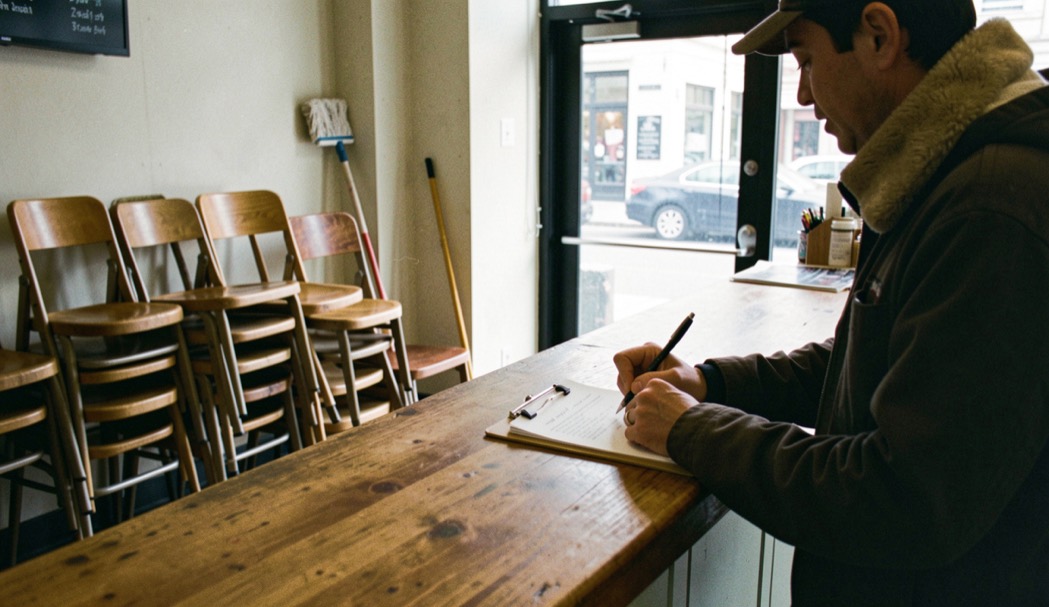
Who books a listening room in a town of 140,000
Who holds the diary of a small room, what each of the four optimises, and what a city's hundred-night pool means for the act asking for a date. The message that gets answered, in its five parts.
-
· Akane Books
table of book formats
Akane Books is a Japanese-language guide to reading Japanese books as a daily habit, covering how to choose a first title, ways past difficult vocabulary, and the physical terms 単行本, 文庫 and 新書, with a table of book formats drawn from paper standards fixed since Meiji.
-
· The instrument
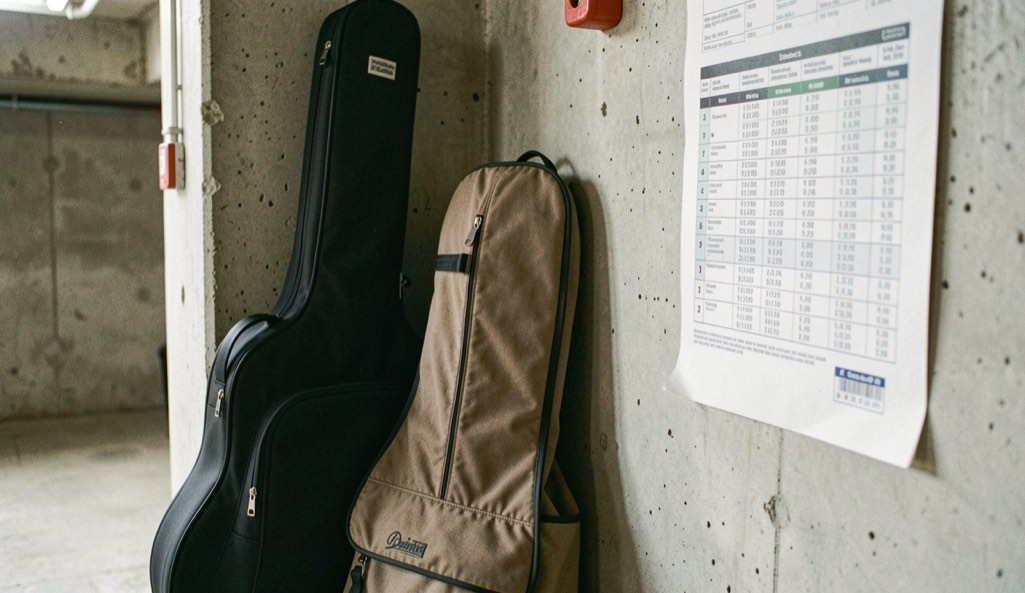
Carrying a show on instruments that fit in two bags
A small-room set travels on two bags: one holds the instrument, the other holds everything else and has to close. The desk sets out the test that decides each object, what the house can be asked for, and what the unpacking costs the slot.
-
· The room
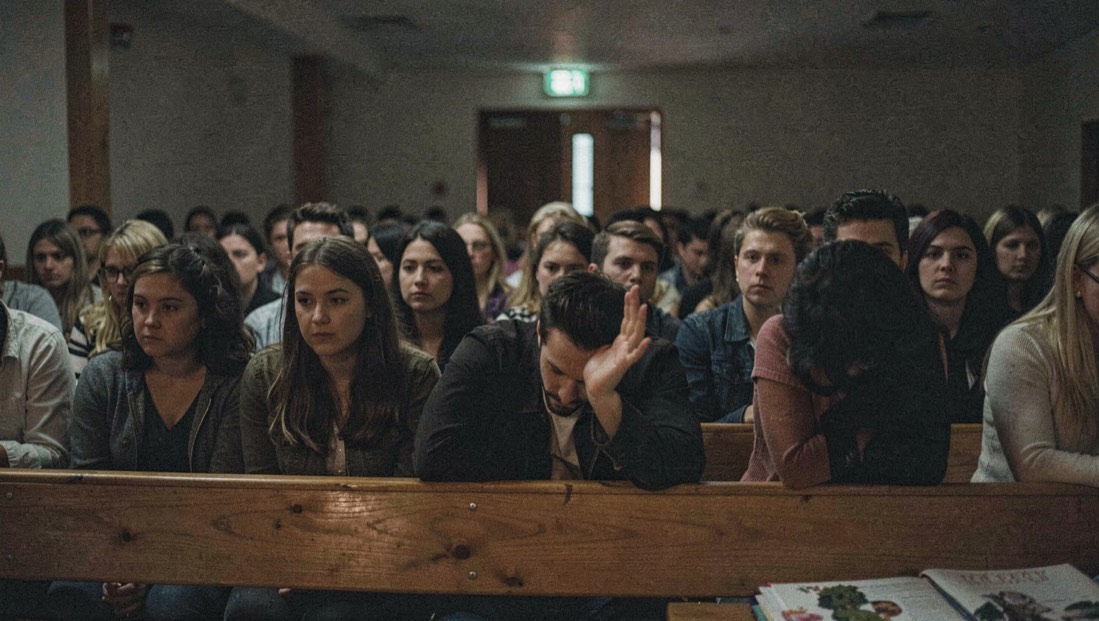
The house that lets the last song stay quiet
An inventory of everything in a small venue that makes a sound during the last song, who can switch it off, and what it costs to ask.
-

· The set
Why the first song is never the loudest
Three numbers are unknown at the first note and known by the third song: absorption, noise floor, carry to the back row. This note works all three, and places the loudest song where the room can carry it.
-
· The writing
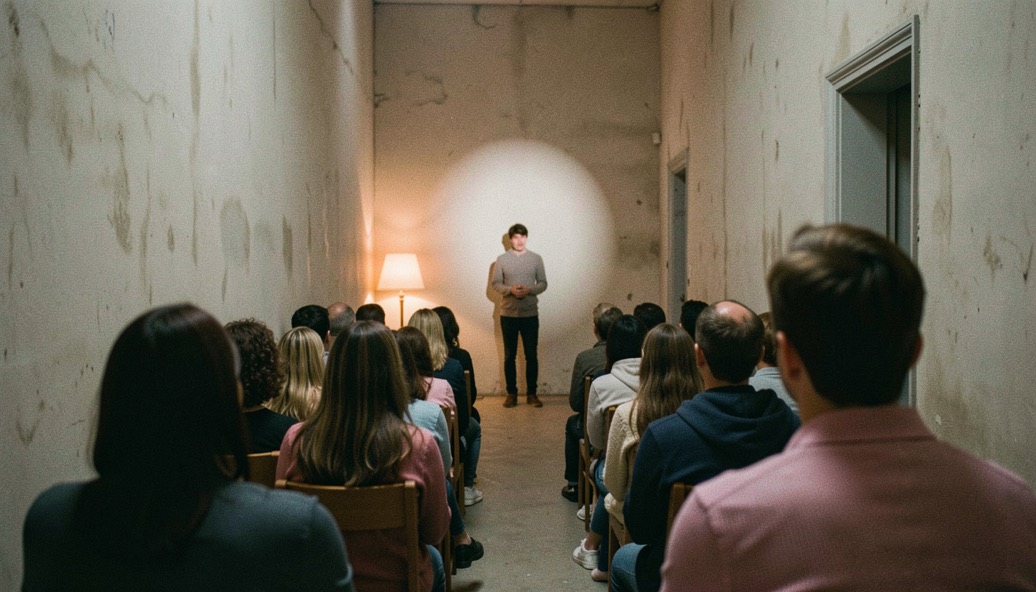
Writing for the back of the room
The listener on the last chair is not a quieter version of the one at the front; they hear a different show. This note works the distance arithmetic, runs a two-pass test for lost words, and rewrites a line so its sense arrives.
-
· The room
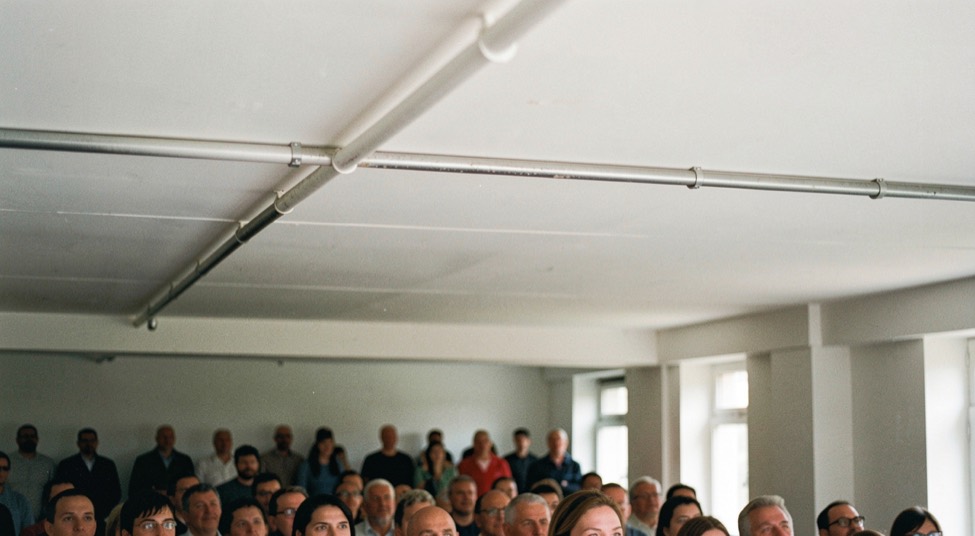
What a low ceiling does to a ballad
Two back rooms with the same floor and a different ceiling are two different instruments. Here is the arithmetic, worked through, with the point where it stops being trustworthy.
-
· The set
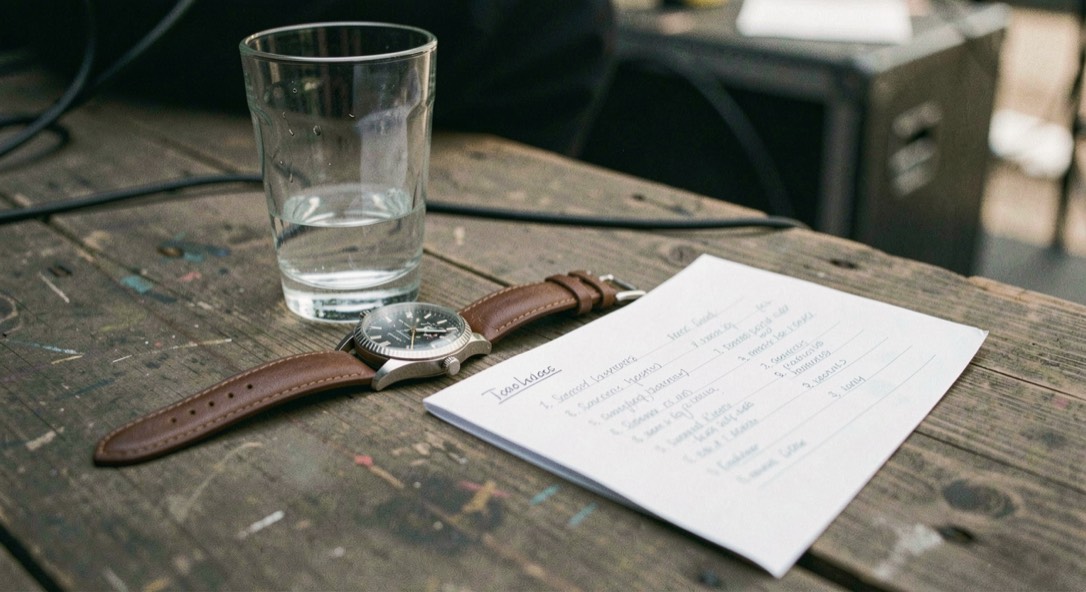
What a twenty minute set actually holds
A twenty minute slot is 1200 seconds, and what fits inside it can be counted before the night. The desk works the walk, the songs and the gaps, and prices every minute of talking.
-
· The scene
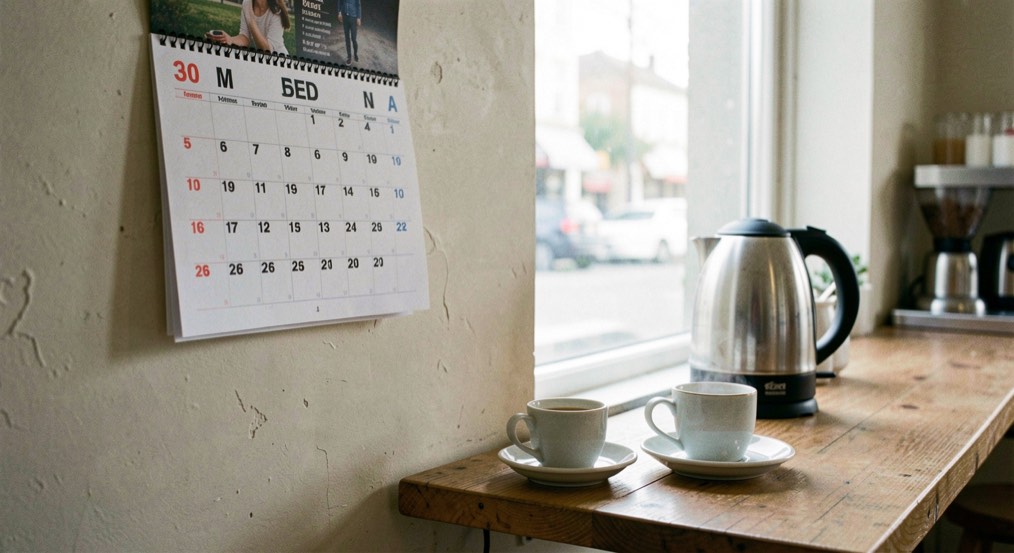
How the small room circuit holds a season
How many quiet nights can one city hold? The desk works the answer from one counted figure, four assumptions you can replace, and a share nobody knows until it is counted.
-
· The writing
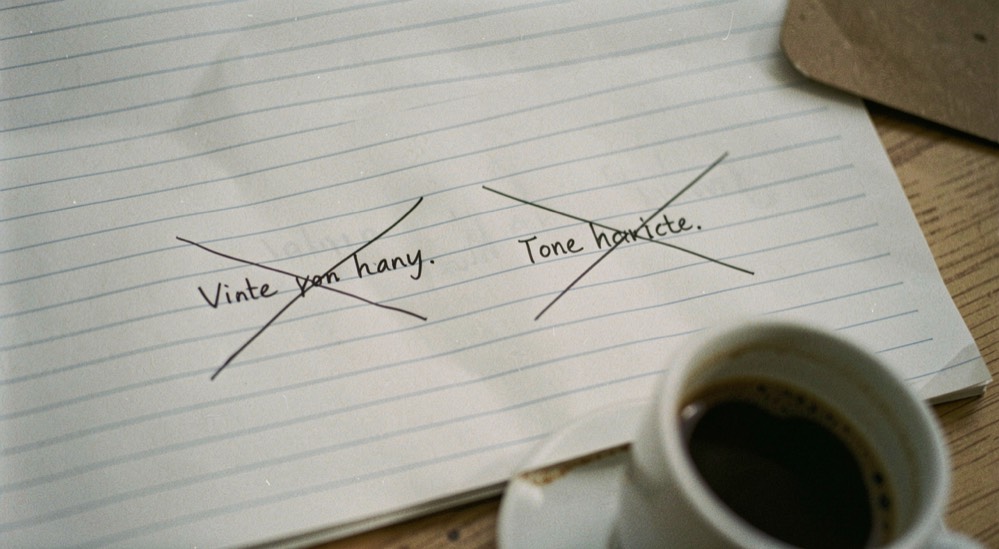
The four line verse that carries a whole song
What the folk ballad's four line stanza offers a small room: eight and six syllables, one rhyme per verse, short lines that leave a breath. The note takes the form apart, line by line, and times three verses.
-
· The instrument
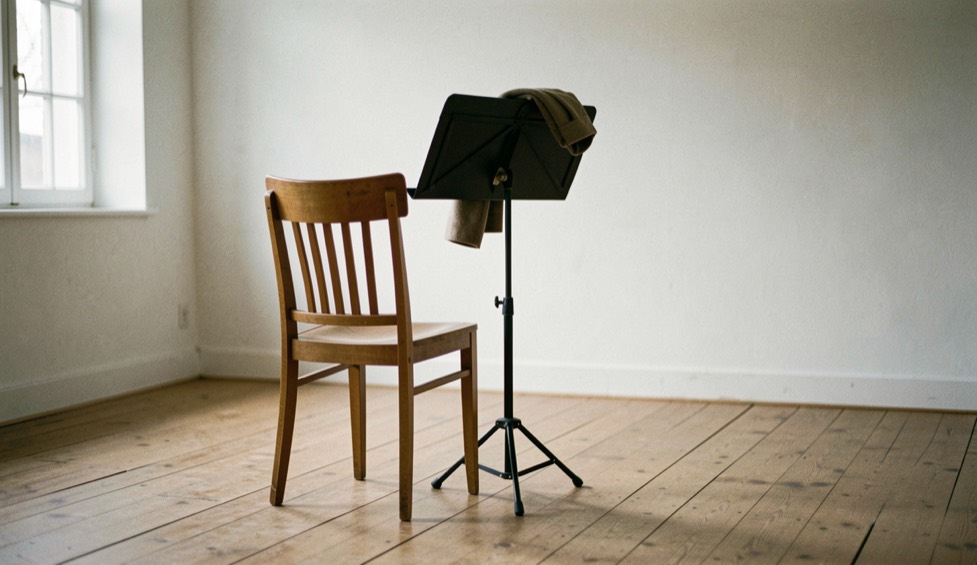
The melodica in a quiet room
The melodica is a keyboard you blow: the note begins with the air and ends with it. This note works out what that does to a held chord, to the breath the front row hears, and to the attack a low ceiling returns twice.
01-05
The five rooms of the review
Five rooms in the same house, from the shape of a set to the way a small circuit holds a season.
-
01
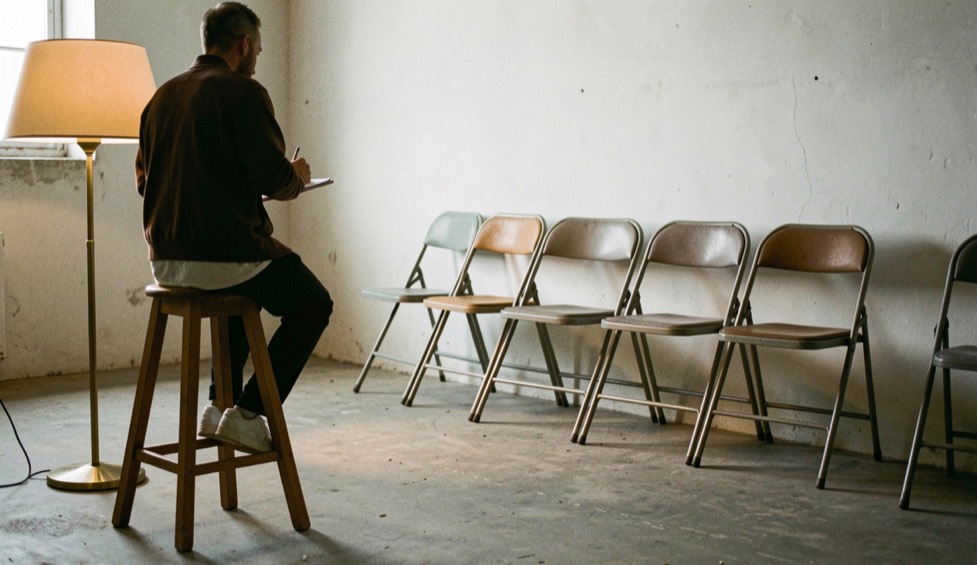
The set
The time budget of a short slot, the order of the songs, and what the first three minutes are for.
-
02
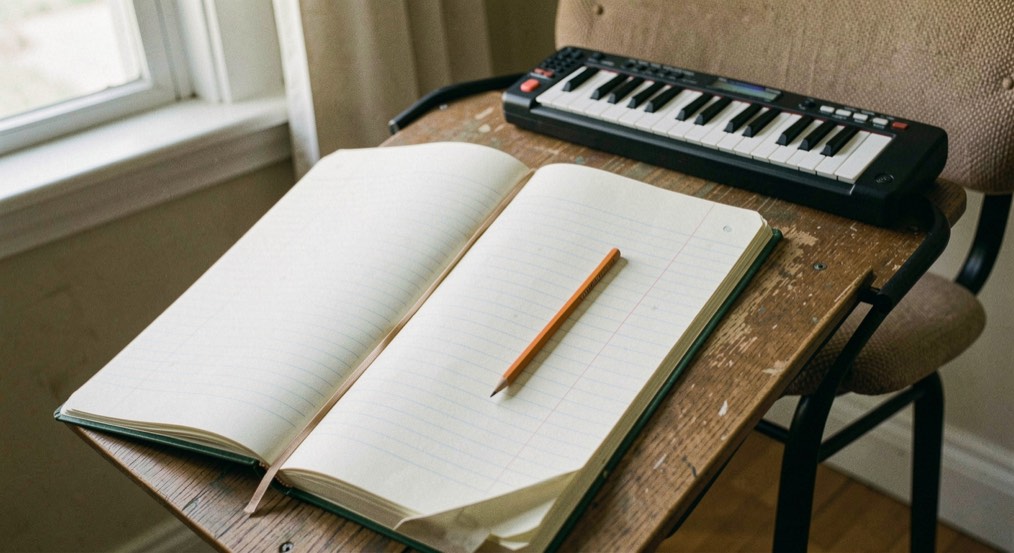
The writing
The four line verse as a working unit, and the plain test of whether the words reach the back row.
-

03
The instrument
What a melodica actually is, and how a whole show fits into two bags without losing anything that matters.
-
04
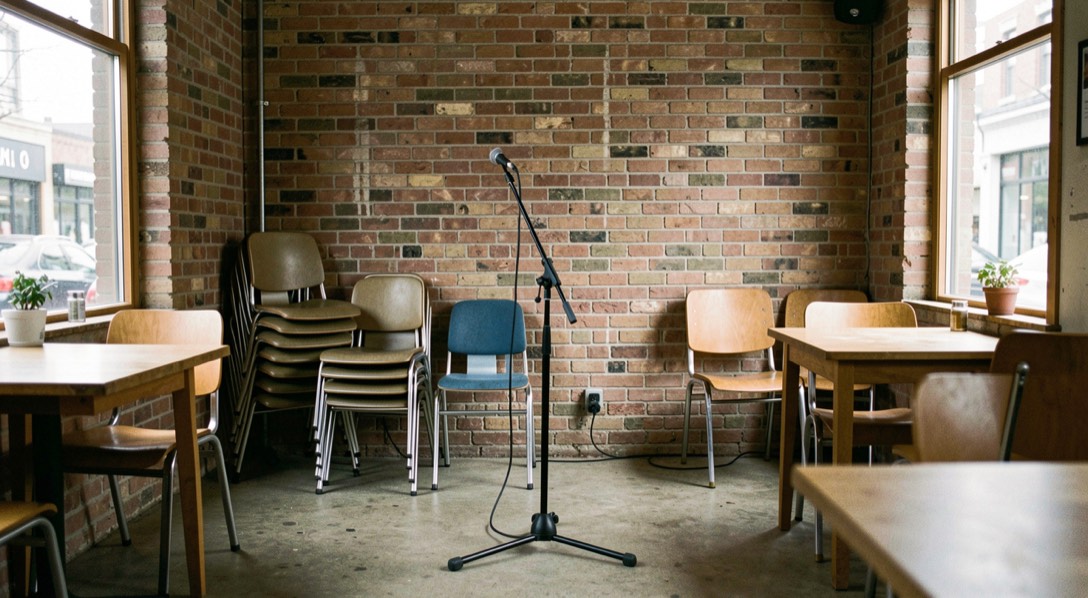
The room
One equation, a worked estimate, and the part of a quiet ending that belongs to the house rather than the performer.
-
05
The scene
The arithmetic of a season, and the four people who might be holding the diary of a listening room.
-
01
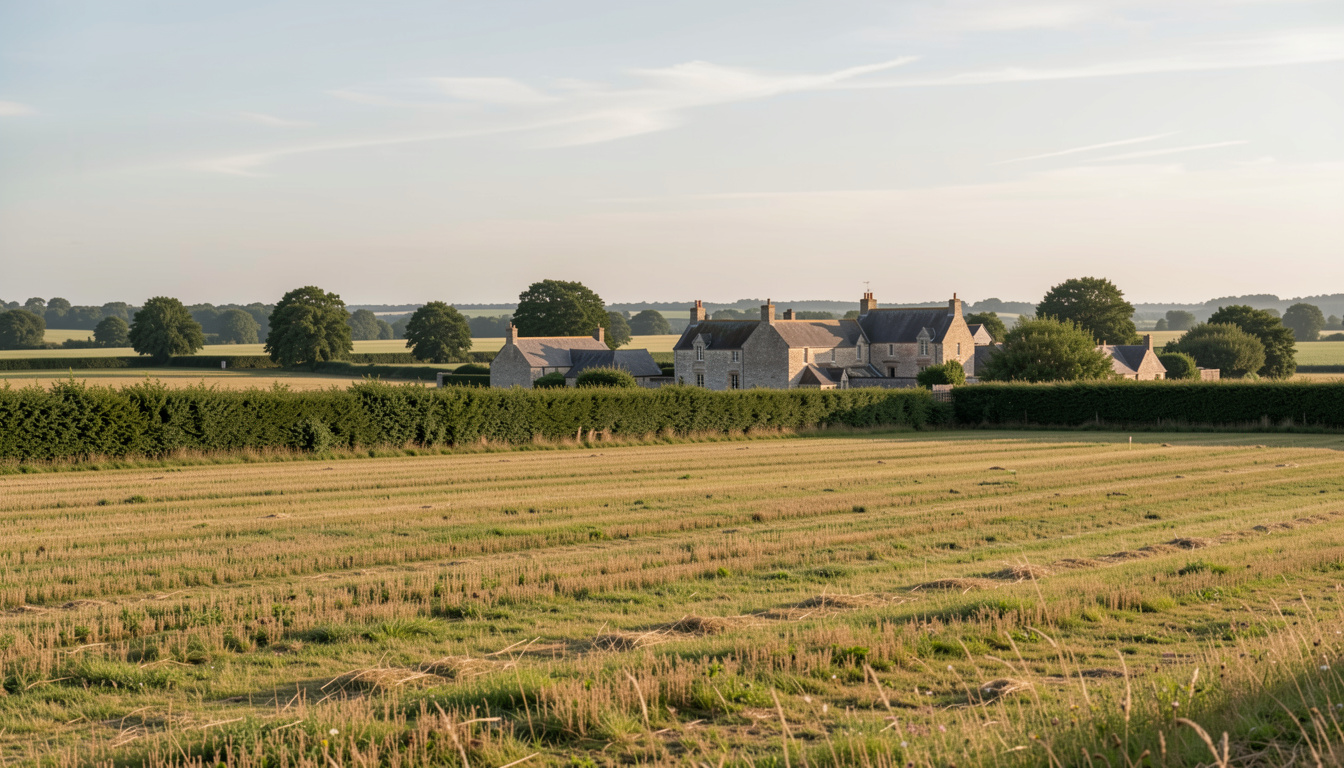
Photographing France: reading a landscape
How to choose light, season and distance when photographing French landscapes, and where to find dated, documented image files.
-
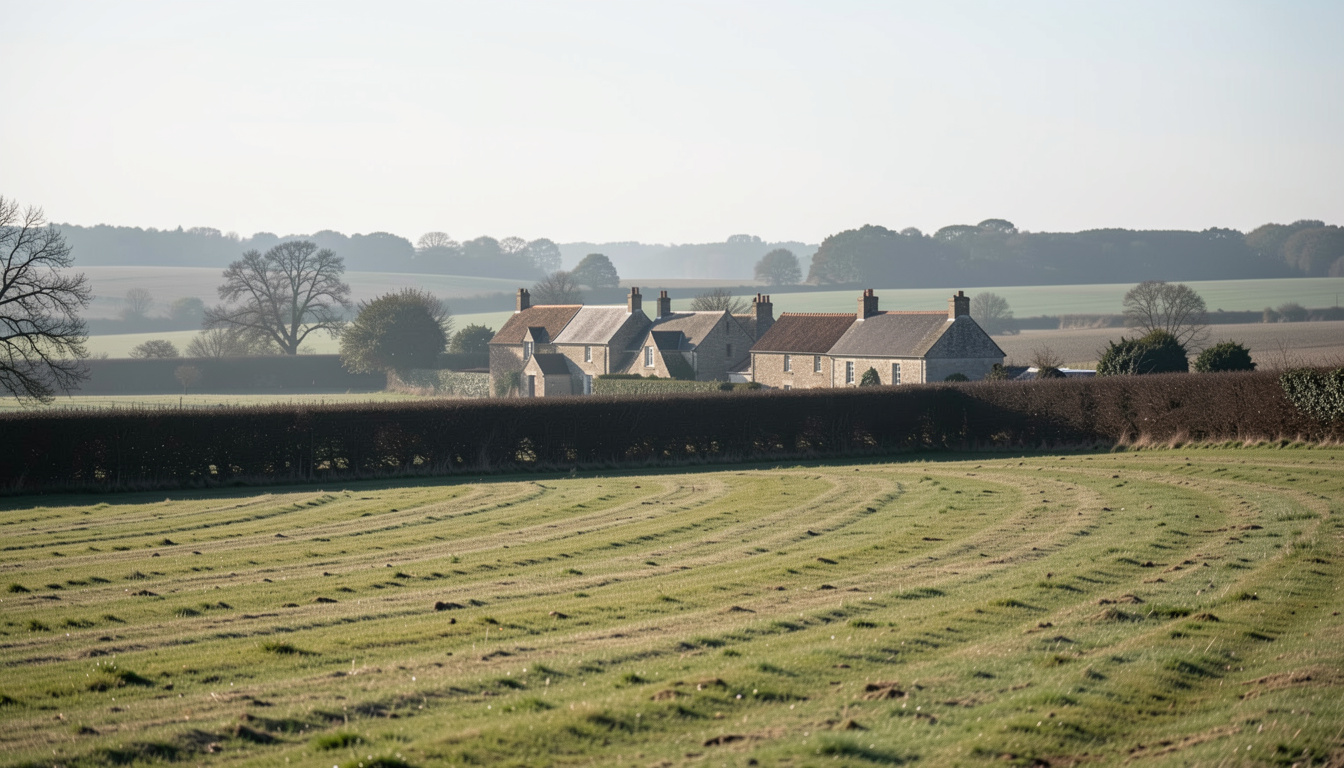
01
Photographing French nature: light, season, place
A practical look at photographing French landscapes and wildlife: reading the light, choosing a season, and knowing what an image is allowed to show.
What the desk keeps up to date
Five pages are read again and kept current, because a room changes or a season fills up.
-
· Room 02
The writing: songwriting for a quiet room
Writing for a room where every word arrives: the four line verse as a working unit, and the plain test of the back row.
-
· The instrument
Carrying a show on instruments that fit in two bags
A small-room set travels on two bags: one holds the instrument, the other holds everything else and has to close. The desk sets out the test that decides each object, what the house can be asked for, and what the unpacking costs the slot.
-
· The room
What a low ceiling does to a ballad
Two back rooms with the same floor and a different ceiling are two different instruments. Here is the arithmetic, worked through, with the point where it stops being trustworthy.
-
· The scene
Who books a listening room in a town of 140,000
Who holds the diary of a small room, what each of the four optimises, and what a city's hundred-night pool means for the act asking for a date. The message that gets answered, in its five parts.
-
· The set
What a twenty minute set actually holds
A twenty minute slot is 1200 seconds, and what fits inside it can be counted before the night. The desk works the walk, the songs and the gaps, and prices every minute of talking.
The review describes the small-room show and nothing else: what the desk accepts and refuses is written in the editorial policy, the desk itself sits on the about page, and a question travels through the contact page.
Beyond the room
Where the signal goes
One related reading follows the sound beyond the chairs, into the chain that carries a voice or an instrument.
The Mast Log explains the room, the signal chain and the route from a source to a listener. It stays close to the same quiet-show question while taking the sound farther than this review does: how sound travels onward.