Room 04 · The room
The room: listening rooms and their acoustics
What a small room does to a song: reverberation you can estimate with one equation, early reflections, and the noise floor a house controls.
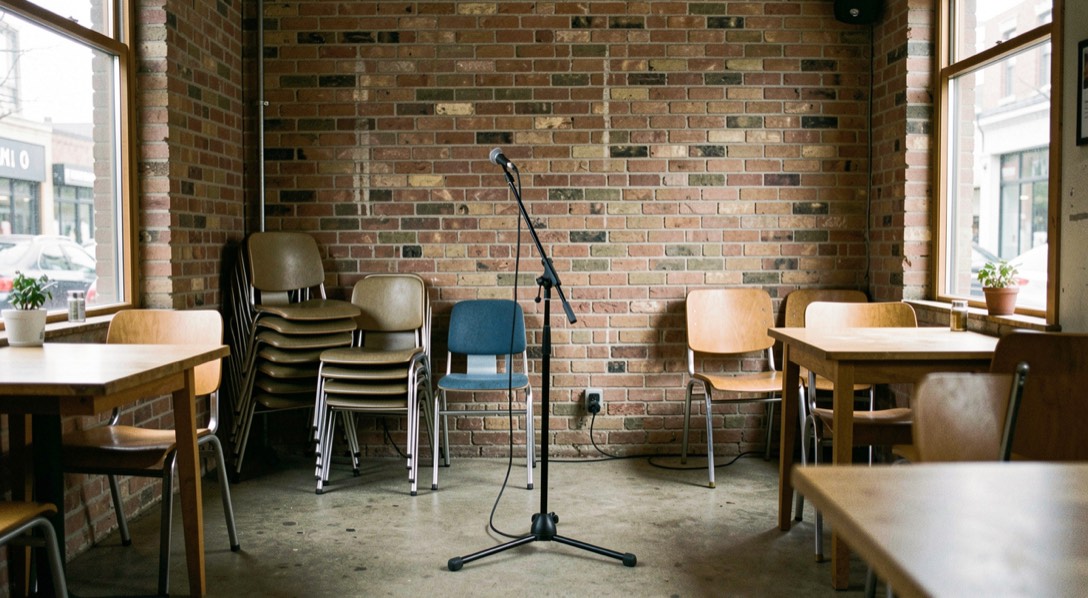
Two things decide what a small room does to a song: how long a sound lasts in it after it stops being made, and how quiet the room is when nobody is making one. The first is reverberation, and a century old equation gives a usable estimate from a tape measure. The second is the noise floor, and it is owned by the house, not by the performer.
The notes here take those two in order. The first works the reverberation estimate through two rooms with the same floor and different ceilings, and says plainly where the estimate stops being trustworthy. The second is an inventory: everything in a small venue that makes a sound during the last song, and who can switch it off.
Estimates, not measurements
Nothing in this room is a measurement of a real venue. The numbers are worked examples with their inputs shown, so a reader can put in the dimensions of their own back room and get their own answer. Where a genuine measurement is required, the note names the standard that describes how to make one.
Room 04
In this room
The notes of this room, most recent first.
-
· The room
Reading Contemporary Work Slowly
Reading contemporary work slowly means giving each object enough time to show how it was made, how it behaves in a room, and what its price is actually saying.
-
· The room
Budget stays in Tsim Sha Tsui: a Kowloon guide
A budget room in Tsim Sha Tsui is legal when the guesthouse holds a valid licence from Hong Kong's licensing authority, and you can ask for that licence number before any deposit changes hands.
-
· The room
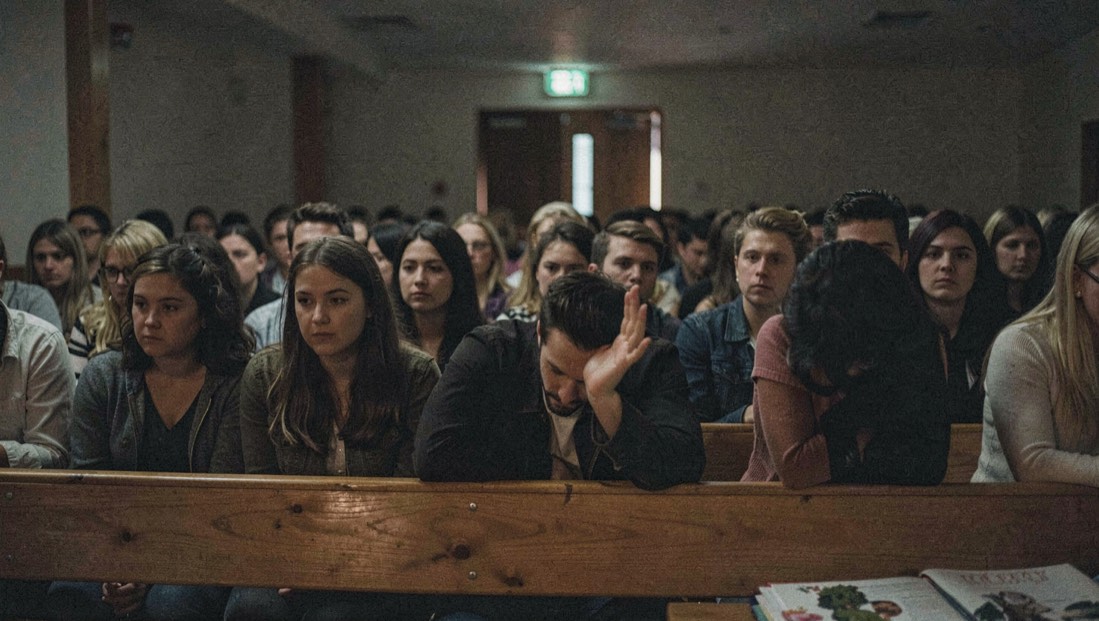
The house that lets the last song stay quiet
An inventory of everything in a small venue that makes a sound during the last song, who can switch it off, and what it costs to ask.
-
· The room
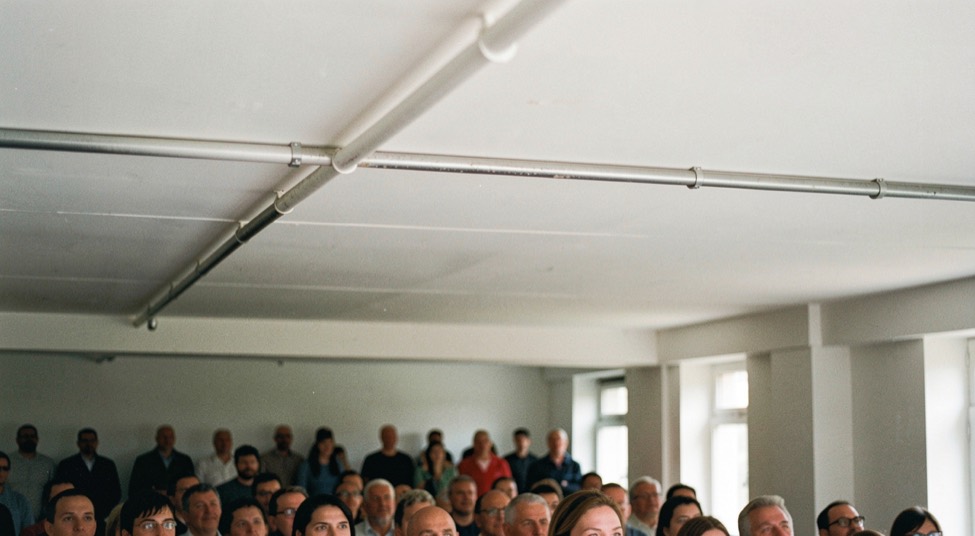
What a low ceiling does to a ballad
Two back rooms with the same floor and a different ceiling are two different instruments. Here is the arithmetic, worked through, with the point where it stops being trustworthy.
Two neighbouring rooms carry the same question further: The set and The writing. How the desk works is written in the editorial policy.