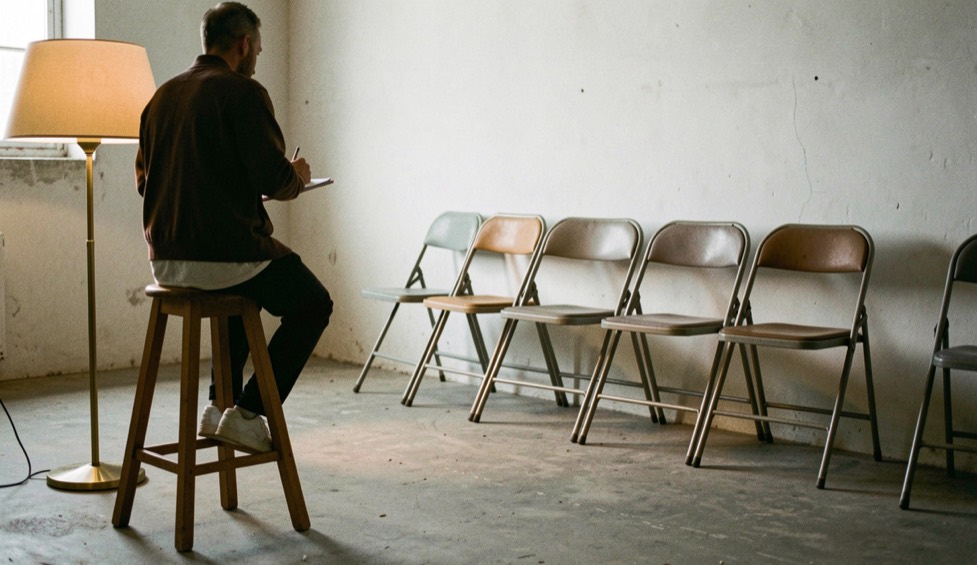
A short independent film gets made by fixing the shooting day first, then letting everything else serve it: the crew stays small, the light comes from what the location already offers plus a few portable sources, and the edit is planned as the last stage of the shoot rather than a rescue operation. Festival readiness is not a separate job at the end; it is a set of decisions taken on day one about format, sound, subtitles and paperwork. The notes below follow that order, from the plan to the screening.
How do you build a shooting day around weather and travel?
Start with the two things you cannot argue with: daylight and distance. Write the day as a list of set-ups, not a list of scenes, and give each set-up a realistic duration that includes moving the kit, lighting it, rehearsing it and shooting it more than once. A cramped interior scene with two actors and a practical lamp can take ninety minutes. The same page count on an open street can take twenty minutes or three hours, depending on whether you are waiting for a bus to pass.
Weather decides the order. If the forecast gives you a dry window between ten and two, the exterior goes there, even if it sits in the middle of the script. Interiors are your buffer: they absorb a delayed start, a missing prop or a light that fails. Build the day so that losing the exterior costs you one set-up, not the whole schedule.
Travel is the hidden cost. Group locations by geography, not by narrative order, and count the actual minutes door to door with the kit, not the minutes a map application suggests for a car. A company move of forty minutes eats an hour once you load, park, unload and find the person with the key. On a short film with a small crew, two locations in one day is usually the ceiling; three is a gamble that shows in the rushes.
Give the day a hard stop and a soft stop. The hard stop is when the light is gone or the location closes. The soft stop is the set-up you are willing to drop. Announce both at the morning briefing so nobody negotiates at nine in the evening. For a fuller method of turning an idea into a planifiable day, including crew roles and safety on a reduced team, the working notes at short film production planning set out the same sequence from schedule to shoot.
How do you light a cramped location with portable sources?
Small rooms reward subtraction. Before adding anything, look at what the room already does: a window, a doorway, a white ceiling, a lamp the owner already owns. Those are free units with believable colour, and they place the scene in a real place rather than a studio.
Then add two or three portable sources at most. A battery LED panel on a light stand, a small bi-colour tube and a handful of diffusion and black wrap cover most interiors. Put the panel outside the window to lift the room, bounce the tube off the ceiling for a soft base, and use black fabric to kill the light you do not want. Negative fill is cheaper than another lamp and it gives faces shape.
Exposure follows the source you cannot move. Set the camera for the window or the practical lamp, then bring the portable units to that level rather than the other way round. Keep the sensor's native ISO, accept some noise in the shadows, and resist the urge to light every corner. In a tight room, a single motivated source with a dark side reads as intentional; four sources read as television.
Practical matters decide the rest. Tape every cable, keep stands out of the actors' path, and check that the boom operator has somewhere to stand. If the ceiling is low, bounce light off a wall instead. If the room is smaller than the frame, use a wider lens close to the subject and let the distortion work for the space.
What makes a festival submission ready before the first screening?
Readiness is technical and administrative, and it is decided long before the first audience sees anything. The film should exist in the formats festivals actually ask for: a high-bitrate master, a projection file at a standard resolution and frame rate, and a compressed screener for selection committees. Sound matters more than image on a laptop: check dialogue intelligibility on headphones and on a phone speaker, because that is how most selectors will first meet the film.
Subtitles are not optional. Even an English-language short benefits from a properly timed subtitle file, and any festival outside your language area will require one. Burn nothing in; supply a separate file with correct timecodes.
Then the package. A synopsis of around fifty words and a longer one of around a hundred and fifty, a director's statement, a credit list, a poster still at print resolution, and a contact that answers email. Rights for music and archive must be cleared in writing, because a festival will ask. Premiere status should be known before you submit: many festivals want a premiere, and a single online upload can remove that option.
Finally, the screening itself. Test the file on a projector if you can, arrive with the film on two separate drives, and know the running time to the second. A short film that starts on time and ends on time is remembered kindly.
What does the edit need from the shoot?
The edit begins on set, in the coverage you choose to shoot. If the scene depends on a reaction, get the reaction as a separate shot rather than hoping it appears in a wide. Shoot a clean plate of every location for later repair, and record room tone for thirty seconds at each set-up; it saves the sound edit.
In the cutting room, work in passes. First an assembly that respects the script, then a pass on contrast: where the film is loud, where it is quiet, where it holds a shot and where it cuts early. Rhythm is easier to find when you stop protecting performances and start protecting the shape of the scene. Screen it once for two people you trust, take notes without defending anything, and cut again.
Lock picture only when the sound design has been built against it, not before. Then conform, grade, and export the deliverables list you wrote at the planning stage.
How should a small crew be organised on the day?
Fewer people means clearer roles, not fewer roles. On a short with four or five crew, one person owns camera and one owns sound, and those two do not double as runners. A producer or coordinator handles the location, the food, the releases and the clock, which frees the director to work with actors.
Write the roles on the call sheet with names and phone numbers, and name a safety lead for anything involving heights, water, traffic or electricity. Brief the crew on the plan, the hard stop and the emergency route in the morning. During the day, keep decisions with the director and logistics with the producer, so the two conversations do not mix.
Small crews work because information travels fast. Protect that by keeping the set quiet during takes, keeping the schedule visible, and ending the day with a five-minute review of what was covered and what was not.